The Floor Is Still Yours: Britain’s Closed Clubs, Their Weird Second Lives and Where the Rave Went Next
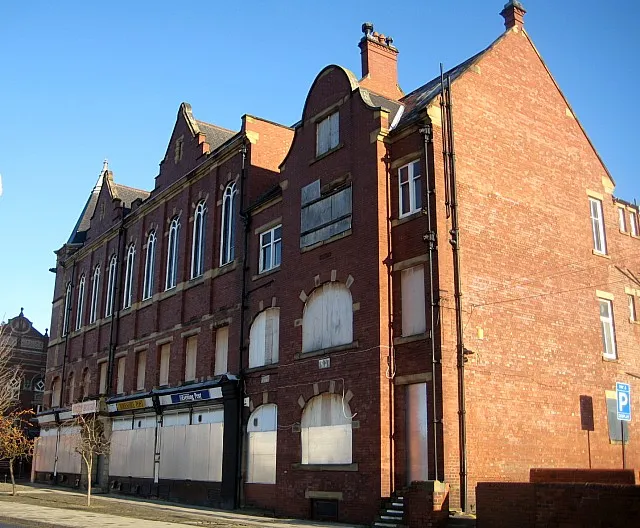
Photo: Mike Kirby, CC BY-SA 2.0, via Wikimedia Commons
Here’s a sentence to ruin a nostalgic pint: the big room with the sticky floor and the bloke who always played ‘Mr Brightside’ at 1:47am may now be a bowling alley with a bao counter. Britain has lost a lot of clubs. But mourning is boring. The night out hasn’t vanished; it’s packed its bag, changed its trainers and moved somewhere with better ventilation.
Last orders, new leases: what’s happening to dead clubs
The wave of closures is not a figment of your hungover imagination. Rents went up, licences got trickier, neighbours got noisier about noise, and plenty of venues discovered that selling tickets to 600 people is less reliable than selling brunch to 60. The result? A strange, brilliant, slightly unhinged property market for former nightclubs.
Some have become ten-pin bowling alleys, because nothing says ‘we’ve moved on’ like replacing a bass bin with a shoe-hire desk. Some are saunas now, which feels like a direct threat to the British idea of a big night out: sweat first, pint later. Others have turned into food halls, where the only thing throbbing is the queue for loaded fries. And yes, church-run day raves are a thing — sober-curious, sunlight-facing and soundtracked by people who have definitely remembered to bring a reusable water bottle.
Not every second act is glamorous. A club is, structurally, just a big dark room with a powerful soundsystem and an optimistic fire exit. Strip out the DJ and you can sell dumplings in it. That’s not tragedy; that’s recycling with a card machine.
The big night out has relocated
The important bit: the rave is not dead. It has simply refused to pay central London rent. In 2026, the proper big night out is more likely to be a warehouse on an industrial estate, a pub back room with a soundsystem and a bloke called Kev on the door, or a 2pm rave where you’re home before the kebab shop gets busy.
This is the new nightlife geography. Smaller rooms, stranger line-ups, earlier start times and promoters who communicate via group chat rather than a laminated poster. The superclub used to be the main character. Now it’s a supporting actor in a story about flexibility, noise limits and the sheer British determination to have a dance wherever there’s a plug socket.
Day raves deserve a special mention. They are no longer a warm-up for the real night out; they are the whole event. You arrive in daylight, you leave in daylight, and you have the enormous luxury of remembering the last song. Some people call that sensible. We call it a glow-up for your liver.
City-by-city: where to point your dancing shoes in 2026
London
Follow the warehouses east and north, and the pub back rooms anywhere the beer garden looks like it has seen things. Day raves are thriving, especially on weekends when the weather can’t decide. The trick is to follow promoters, not venues — the room may change, but the queue for the loos remains a universal constant.
Manchester
The city still knows how to throw a night. Look beyond the obvious big rooms and towards industrial estates, basement bars and pub function rooms with a sound system that has no business being that good. The vibe is less ‘superclub’ and more ‘someone’s mate has hired a space and a smoke machine’.
Leeds
Leeds remains excellent at the intimate party: back rooms, small capacity venues and the kind of night where the dancefloor is basically a group chat with limbs. Warehouse parties pop up like mushrooms after rain, except they charge entry and play harder techno.
Bristol
Bristol’s nightlife has always been a bit feral in the best way. Expect warehouse spaces, pub back rooms and day parties that start while the sun is still showing off. If your lost club is now a food hall, at least you can mourn it with a halloumi wrap.
Birmingham
Birmingham’s big night out has scattered into smaller, funkier rooms. The city is good at multi-use spaces — food, drinks, dancing, someone’s birthday — which means you can accidentally end up raving next to a person eating nachos. That’s not a bug. It’s a feature.
Glasgow
Glasgow does not do half-hearted nights. Basement venues, pub back rooms and word-of-mouth parties are where the action lives, often with a soundsystem that could power a small ferry. The city’s dead clubs may have new lives, but the patter on the dancefloor remains undefeated.
Cardiff
Cardiff’s nightlife is compact enough that you can stumble from a pub back room to a warehouse party without needing a lie-down. Smaller venues are doing the heavy lifting, and day raves are quietly becoming the city’s best excuse to wear sunglasses indoors.
Newcastle
Newcastle knows how to commit to a night out. The action is in the back rooms, the basements and the pop-up parties that appear in group chats like a dare. If your old club is now a bowling alley, at least you can bowl a strike at 11pm and call it culture.
Sheffield
Sheffield’s industrial spaces were made for warehouses parties, and the city’s pub back rooms are doing solid work for anyone who wants a dance without a 20-minute walk between bars. The new night out here is friendly, slightly sweaty and very fond of a good soundsystem.
Glow-up or glow-down? The Bong verdict quiz
Right, get your pen out. Give yourself one point for every ‘yes’.
- Did the new venue keep any original features beyond one crusty speaker and a poster of a DJ nobody remembers?
- Is it open after 11pm on a Saturday, or does it shut when the toddler bowling league arrives?
- Can you still get a drink that costs less than a small car?
- Does it serve the same community, rather than just Instagram brunch?
- Does it make you want to stay out rather than go home and watch Gogglebox?
Score 0–1: Glow-down. It’s giving ‘sad beige room with a licence’. You may mourn.
Score 2–3: Beige limbo. Not a club, not quite a cultural landmark. It’s a place where birthdays go to be fine.
Score 4–5: Glow-up. If your lost club is now a bowling alley with a decent soundsystem, that’s a glow-up with bumpers. Respect.
Where we’re raving instead
The honest 2026 answer is: wherever the promoters are. Warehouse parties, pub back rooms, church halls, day raves, multi-use spaces and the kind of night that starts at 2pm and ends with a sensible portion of chips. The big night out hasn’t disappeared. It’s just wearing trainers, checking the last train and refusing to pay £9 for a lukewarm lager.
So don’t spend all your energy mourning the dead clubs. Go and find the new floor. It might be in a bowling alley, it might be behind a pub, and it might start before EastEnders. But it’s there — and it’s still yours.